
Why Slowing Down May Feel Hard and How to Start Anyway
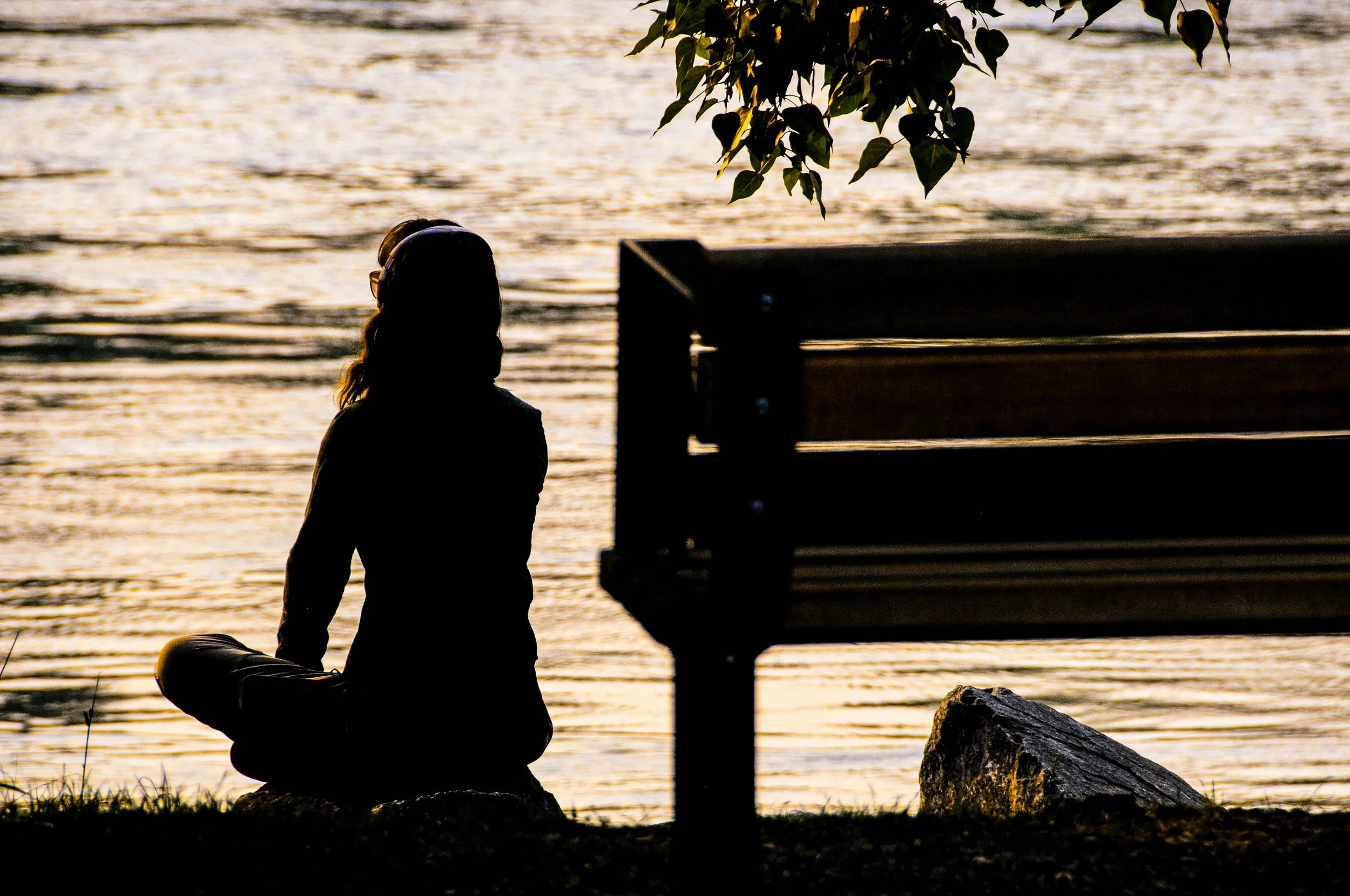
In a culture that often values constant productivity, efficiency, and achievement, slowing down can feel uncomfortable or unfamiliar. For some, it may feel like a steady pressure driving constant movement and effort. This underlying pressure can create challenges such as feeling you are never doing enough, difficulty resting without feelings of guilt, and being disconnected from your own needs and well-being.
For many, a sense of safety and self-worth becomes tied to constant movement and productivity, making moments of stillness feel uncomfortable. This pressure is often fueled by anxiety, which
frequently shows up as perfectionism — the drive to get things just right, stay ahead, and avoid mistakes. Over time, this may leave a person feeling exhausted, disconnected from their own needs, experiencing low self-worth, or unable to fully enjoy accomplishments.
Slowing Down and How to Begin
Slowing down does not mean lowering your expectations or stepping back from responsibilities. It is about approaching anxiety and perfectionism in a different way, noticing the patterns that keep your mind and body constantly in motion, and understanding why rest can feel uncomfortable. A helpful first step is starting with curiosity. Notice how your body responds to stillness, observe the thoughts that arise when you pause, and let curiosity create space to see what thoughts and feelings arise.
Small, intentional practices of rest, reflection, and self-compassion can help create a foundation for change. Therapy or reflective practices can also provide a safe space to explore these patterns and learn how to move through life with more ease and self-kindness.
True Growth Through Compassion
Slowing down is not about giving up. It is caring for the parts of oneself that have been working too hard. Real growth does not come from pushing harder or performing perfectly. It comes from noticing,
understanding, and supporting the parts of oneself that have been overlooked. In this way, slowing down becomes a practice of self-compassion, clarity, and lasting resilience.